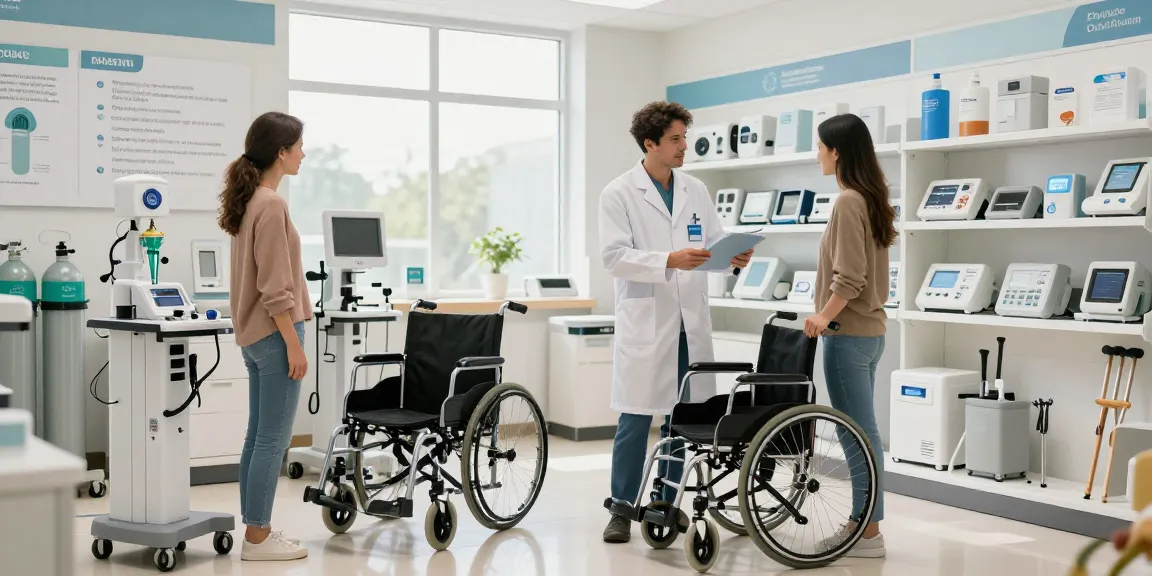
Understanding vente de materiel medical: Key Concepts
In the healthcare sector, the provision of vente de materiel medical plays a crucial role in ensuring that patients receive the necessary support and tools for their recovery and well-being. Medical equipment encompasses a wide range of products that facilitate diagnosis, treatment, and patient care. Understanding the various aspects of medical equipment, including its definition, types, and the regulations governing its use, is essential for healthcare providers and consumers alike.
What is medical equipment?
Medical equipment refers to a variety of devices and instruments used in healthcare settings to diagnose, prevent, monitor, and treat medical conditions. This can include anything from simple tools like thermometers to complex machines like MRI scanners. Medical equipment is categorized into several types, each serving a distinct purpose in patient care.
Types of medical supplies: Mobility aids, diagnostic tools, and more
Medical supplies cover a broad spectrum, including:
- Mobility Aids: Devices such as wheelchairs, walkers, and crutches that assist individuals in moving from one place to another.
- Diagnostic Tools: Instruments like stethoscopes, blood pressure monitors, and glucometers that help healthcare professionals assess a patient's condition.
- Therapeutic Equipment: Devices utilized in the treatment process, such as nebulizers and infusion pumps.
- Supportive Supplies: Items like bandages, splints, and other consumables that support healing and recovery.
Regulations and standards for medical equipment
The production and distribution of medical equipment are strictly regulated by government agencies to ensure safety and efficacy. In many countries, organizations such as the FDA (U.S. Food and Drug Administration) and Health Canada set rigorous standards for medical devices. Compliance with these regulations is crucial for manufacturers and distributors, ensuring that every piece of equipment is safe for patient use.
The Importance of Quality Medical Equipment
The quality of medical equipment directly impacts patient outcomes. Inadequate tools can lead to misdiagnoses, improper treatments, and ultimately, adverse health effects. Thus, investing in high-quality medical supplies is not merely a financial decision but a critical aspect of healthcare delivery.
How quality affects patient outcomes
High-quality medical equipment is associated with better patient outcomes. For instance, accurate diagnostic instruments lead to precise management of health conditions. A study showed that hospitals using advanced imaging technologies reported fewer diagnostic errors and improved treatment effectiveness.
Cost vs. value: Investing in durable medical supplies
While lower-cost medical supplies might seem appealing, they can often lead to higher long-term costs due to increased maintenance needs and frequent replacements. Investing in durable equipment may result in higher initial costs, but it offers better value over time through reliability and effectiveness.
Common misconceptions about medical equipment quality
One common misconception is that all medical equipment with FDA approval is of high quality. However, while regulatory approval ensures that devices meet minimum safety standards, it does not always correlate with superior performance. Healthcare providers should conduct thorough research and evaluate tools based on performance reviews and clinical evidence.
How to Choose the Right Medical Equipment for Patients
Selecting the appropriate medical equipment requires careful consideration of various factors, including patient needs, equipment features, and professional advice. The following sections outline essential steps in the decision-making process.
Assessing patient needs and conditions
Before choosing equipment, healthcare providers must assess the specific needs of their patients. This includes understanding their medical conditions, physical limitations, and personal preferences. Engaging patients in this conversation can lead to better satisfaction and adherence to recommended treatments.
Evaluating available options: Features and benefits
Once patient needs are identified, the next step is to evaluate the available medical supplies. Factors to consider include:
- Functionality: Does the equipment effectively perform its intended purpose?
- Ease of use: Is the equipment user-friendly for both healthcare providers and patients?
- Durability: Can the equipment withstand the rigors of regular use?
- Support and training: Is manufacturer support available, and are there training resources for proper usage?
Consulting with healthcare professionals for informed decisions
Healthcare professionals, including physicians, physical therapists, and medical equipment specialists, can provide valuable insights into the best choices for specific conditions. Their expertise helps ensure that all factors are considered, leading to safer and more effective patient care.
Future Trends in Medical Equipment Supply
The landscape of medical equipment is continuously evolving, driven by technological advancements and changing patient needs. Understanding these trends can help healthcare providers stay ahead in their practices and ensure optimal care for their patients.
Innovations in vente de materiel medical for 2026
By 2026, we anticipate significant innovations in the field of medical equipment. These include the integration of artificial intelligence in diagnostic tools, resulting in quicker and more accurate readings. Wearable health technology is also set to expand, enabling continuous monitoring of patients’ vital signs and health metrics.
The role of technology in enhancing medical services
Technological advancements are making medical equipment smarter and more efficient. For instance, telehealth tools are becoming increasingly prevalent, allowing healthcare providers to make remote assessments and adjustments to treatment plans. Moreover, mobile health applications are empowering patients to take an active role in their health management.
Predictions for patient care improvements through better equipment
Enhanced medical equipment is poised to improve patient care quality. Predictive analytics will allow for better patient monitoring, leading to timely interventions. Additionally, more user-friendly designs in medical devices will promote patient compliance and satisfaction, ultimately leading to better health outcomes.
Frequently Asked Questions About Medical Equipment
What should I consider when purchasing medical supplies?
When purchasing medical supplies, consider the quality, warranty, user-friendliness, and the reputation of the manufacturer. Research customer reviews and seek expert consultations to inform your choices.
How can I ensure the quality of medical equipment?
Ensure quality by selecting devices from reputable manufacturers with good track records. Look for certifications from regulatory bodies and consider user feedback and clinical performance data.
Are there financing options for medical equipment?
Financing options are often available through medical supply companies, insurance companies, and financial institutions. Many providers offer payment plans, and some insurance policies may cover a portion of the costs associated with medical equipment.
What role does insurance play in medical equipment purchase?
Insurance can significantly impact out-of-pocket costs for medical equipment. Many policies cover certain medical supplies, but the degree of coverage may vary, so it's essential to check the specifics of your plan.
How do I maintain and care for medical supplies?
Proper maintenance is vital for the longevity of medical supplies. Follow manufacturers’ guidelines for cleaning and storage, and schedule regular inspections for any wearable or life-saving equipment to ensure proper functioning.